Case study
Python Sitemap Generator
A Python-based site-crawling and sitemap-generation tool demonstrating URL discovery, filtering, normalization, structured output, and error handling.
The challenge
Large websites can accumulate broken links, isolated pages, duplicate URLs, and unclear navigation structures that are difficult to identify through manual review or a traditional XML sitemap.
The solution
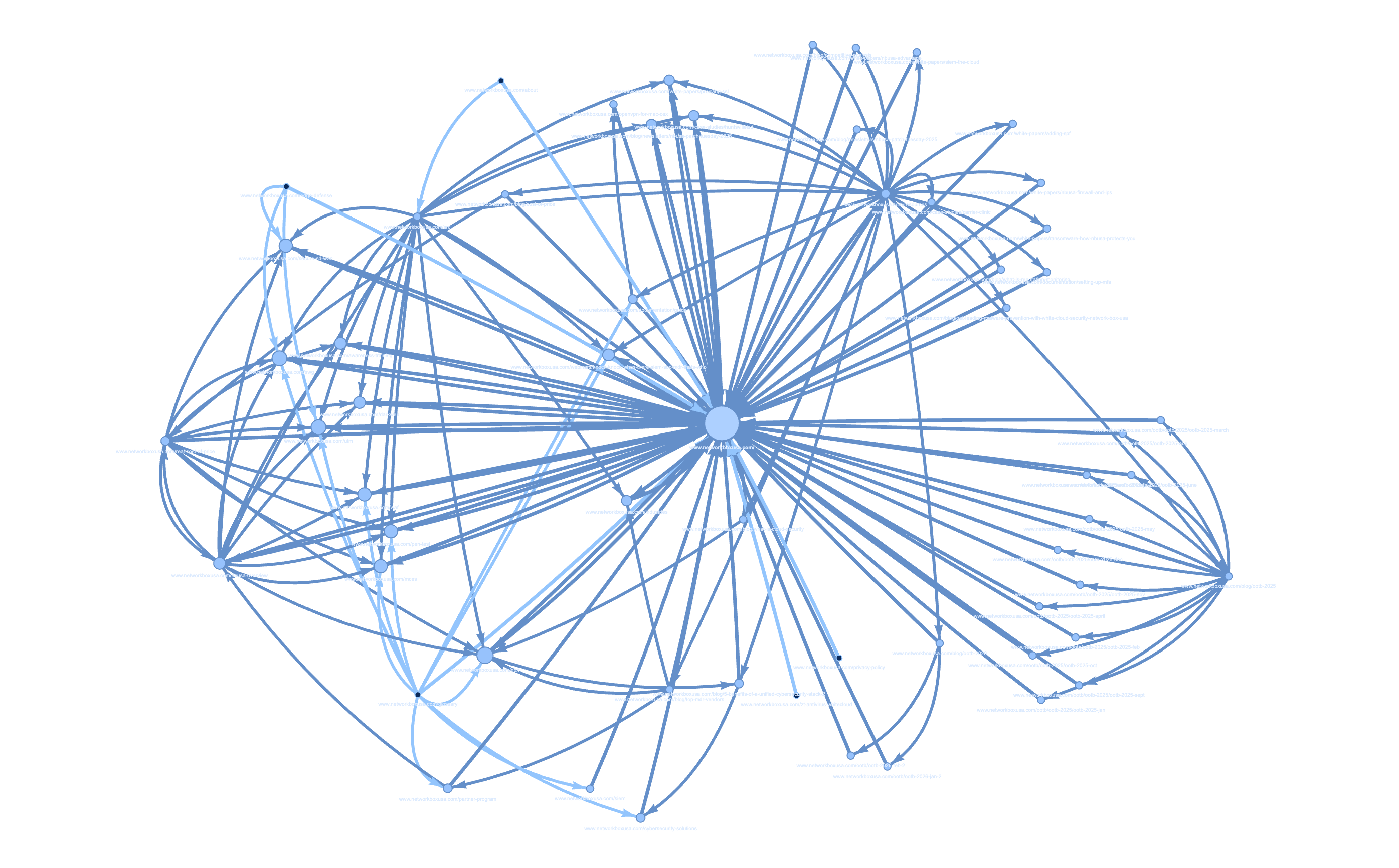
We built a crawler that maps a website's real internal linking structure, validates discovered URLs, and generates interactive visualizations and reports for identifying structural and SEO issues.
Technical approach
The Python-based tool discovers existing sitemaps, crawls internal pages, normalizes duplicate URLs, validates links concurrently, and exports the results as interactive graphs, HTML reports, CSV files, and JSON data.
Design considerations
Sitewide navigation and footer links are separated from contextual page links, reducing visual noise and making meaningful relationships between pages easier to understand.
Outcome
The finished dashboard provides an actionable overview of site architecture, including broken-link referrers, page importance, section-level relationships, and opportunities to improve internal linking.
Project visuals